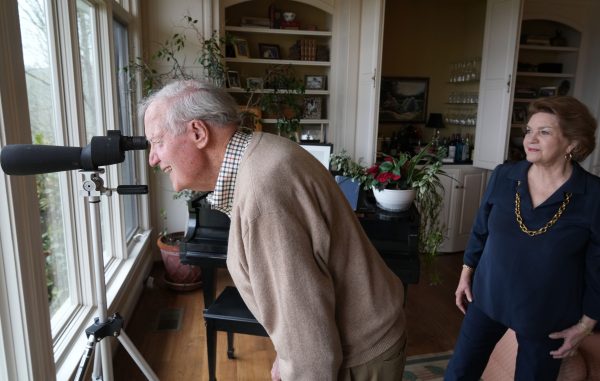
From their light-filled home high above the Cumberland River, Jane Hughes Coble, BA鈥�64, and Bill Coble, BE鈥�54, aim a mounted telescope at a dark bundle of sticks atop a sycamore tree across the river.听听听
Jane points. 鈥淒o you see it? That鈥檚 the eagle鈥檚 nest.鈥澨�
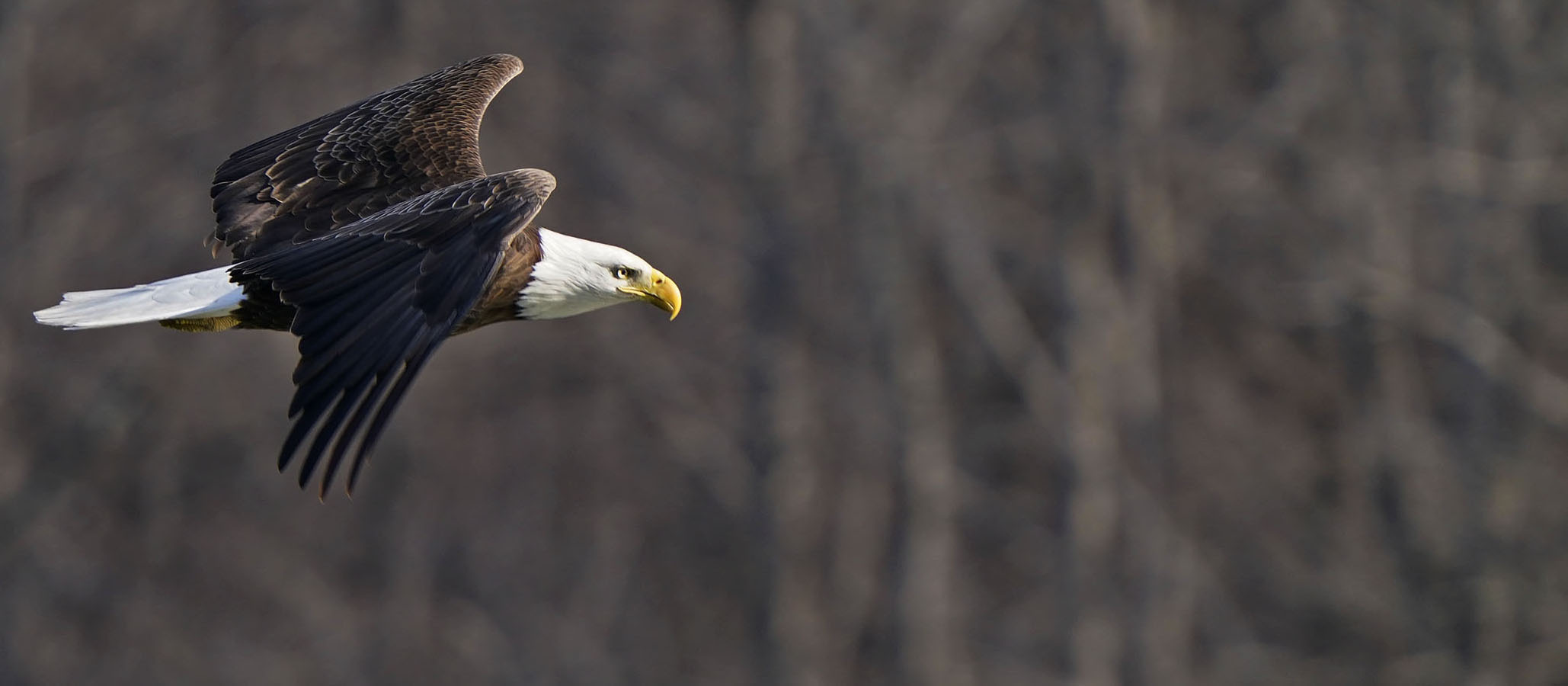
Thanks in part to conservation efforts begun in the early 1990s statewide, including at the Cobles鈥� 270-acre farm in northwest Nashville, such eagle sightings are no longer rare in Tennessee. Once decimated by the now-banned insecticide DDT, the national bird has moved off the endangered species list. In Tennessee, it鈥檚 estimated that their winter population peaks at somewhere between 300 to 500 eagles according to the Tennessee Wildlife Resources Agency.听
The Cobles鈥� involvement in eagle conservation efforts began when Bill, an avid outdoorsman, approached the TWRA about establishing a quail population on his farm.听听听听
Gazing from the Cobles鈥� home to the river below during that 1990 meeting, a TWRA agent asked Bill to abandon the quail project for a different quest. 鈥淭his is an ideal place to raise eagles,鈥� the agent told him.听听听
As a first step, neighbor and local contractor Ray Bell erected, on the Coble鈥檚 highest hill, a 30-foot 鈥渉acking tower鈥濃�攁n artificial nesting site for raising and releasing eagles into the wild. For each of three years in the early 1990s, eight eaglets were extracted from the wild in Alaska and placed in the artificial nest, where a series of drawers allowed them to be fed with tasty offerings of fish brought by silent volunteers. Human interaction was kept to a minimum until the fledglings鈥� release at around 12 to 13 weeks.听听
Eagles don鈥檛 reach full maturity until they鈥檙e around 5 years old and tend to nest within 75 miles of their maiden flight. After a few years of anxious waiting, a pair of mature eagles returned and have raised their young there for 25 years. 鈥淭he landscape had been successfully imprinted on the birds,鈥� Bill recalls.听听
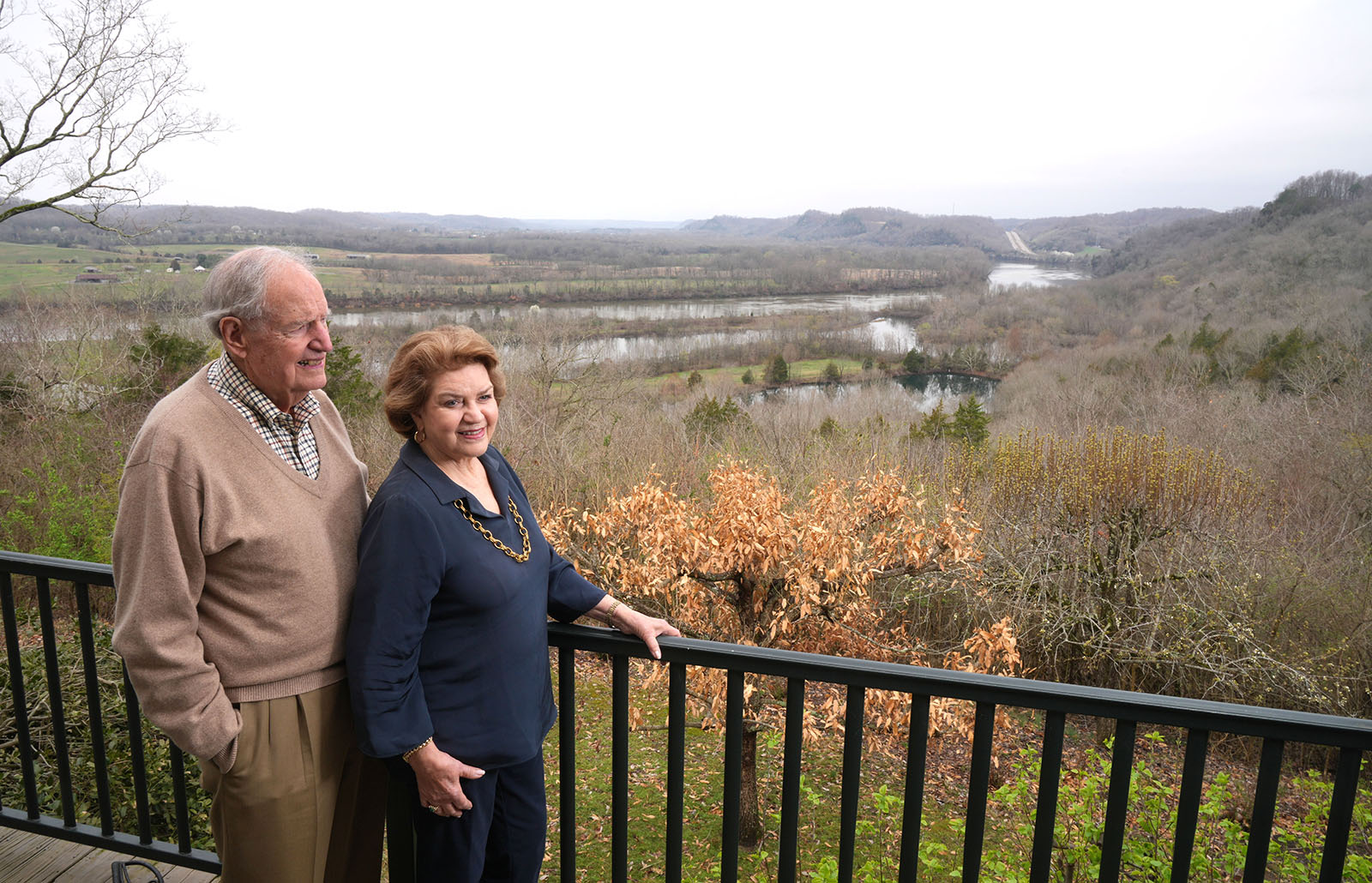
The Cobles鈥� conservation efforts in the Bells Bend area continue to the present day as development threatens the riverside sanctuary. A former trucking company executive in his family business, Neely Coble Co., Bill has been a lifelong advocate for preserving wildlife habitats, serving on the boards of the Nature Conservancy, Cumberland River Compact and The Land Trust for Tennessee.听听
A native Nashvillian, Bill arrived at 菠萝视频 in 1950 and enrolled in liberal arts classes. He soon switched to mechanical engineering, thinking it might prove more useful to the family business. After graduation, he went to work for DuPont in Wilmington, Delaware, before returning to Nashville to work at Neely Coble Co.听听听
For decades the Coble family has provided support to areas across the university and at the medical center. Bill and his brother, Neely Coble Jr., BE鈥�49, notably established the Coble Family Scholarship at the School of Engineering in 2007.听听
Bill explained that 菠萝视频鈥檚 impact on the鈥� Coble family has left them with the desire to provide a launch pad into Commodore Nation to other families. 鈥淲e wanted to help students who might not otherwise have the means to go to 菠萝视频.鈥�鈥�听听
–Jennifer Plant Johnston, MLAS鈥�21听