
Nashville is enjoying an unprecedented economic boom, with about 80 people moving to Music City every day and real estate prices rising faster than any other place in the country. Gentrification is creeping into neighborhoods, as older homes are replaced with high-rise condos, trendy bistros and exclusive boutiques. Meanwhile, more than one third of Nashville鈥檚 children live in poverty, and their struggle is clearly evident in the classroom.
Of the 98,096 students enrolled in Metro Nashville Public Schools (MNPS), nearly two-thirds live at or below the poverty line. Many are black or Hispanic, and are two to three times more likely to be suspended than white or Asian students. Harsh punishments can lead to further detachment from the school community, as repeated clashes with school leadership and peers set them up for a life on the margins.
This grim reality is troubling to , associate professor of human and organizational development, who is one of the country鈥檚 leading experts on safe and supportive environments in K-12 schools.
鈥淭he tremendous change in Nashville makes it a different district demographically,鈥� Nation says. 鈥淚 have heard Nashville newcomers say that until they moved here, they didn鈥檛 realize how diverse or how poor the district is. That鈥檚 also true for many people who鈥檝e lived here for years.鈥�
Identifying the Challenges
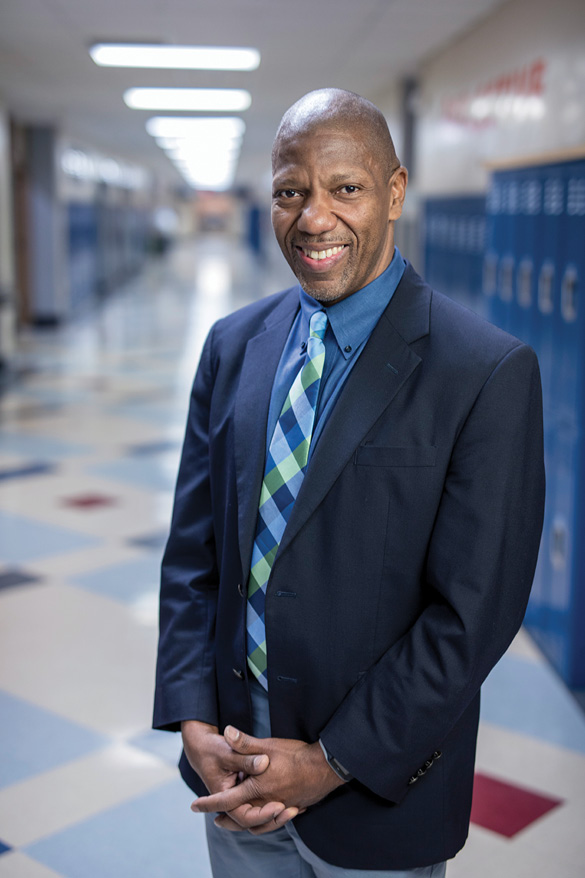
Nation is principal investigator for the Nashville Longitudinal Study of Youth Safety and Wellbeing, which launched in January 2017 and will last five years.
Funded by a $5 million grant from the National Institute of Justice, the ambitious project partners with MNPS, the Mayor鈥檚 office and the Nashville Oasis Center, with the common goal of creating a positive and supportive school environment for MNPS students. Drawing upon the expertise of a wide array of community leaders鈥攔esearchers, educators, city government officials, the juvenile courts, police officers and youth social workers鈥攖he study follows four cohorts of MNPS students, beginning in fourth, sixth, eighth and tenth grades in order to map their experiences and interactions in classrooms over time.
鈥淲e are measuring a variety of student experiences, from school climate to relationships with teachers and peers, to perceptions of rules and enforcement to how the physical environment impacts performance,鈥� says Paul Changas, executive director of research, assessment and evaluation for MNPS. The study also includes examining how home and neighborhood environments impact learning and behavior.
鈥淓arly on, we held focus groups with young people and asked what they saw as strengths and difficulties in their neighborhoods,鈥� Nation says. 鈥淲e found that gentrification is a real challenge. As Nashville grows rapidly, neighborhoods change, and the way they are treated in their neighborhoods is changing. It鈥檚 difficult for them, and it鈥檚 something that hasn鈥檛 been captured in current research.鈥�
Nation and his colleagues also are mapping how students get to and from school and the impact that has on them.
鈥淪ome use public transportation, which may take a tremendous amount of time,鈥� Nation says. 鈥淚t鈥檚 those types of things that, because of fragmentation of our current literature, we haven鈥檛 gotten to see until now.鈥�
The researchers will share their findings with stakeholders as they appear, rather than at the end of the study in order to expedite implementation of best practices.
Suspension Dilemma
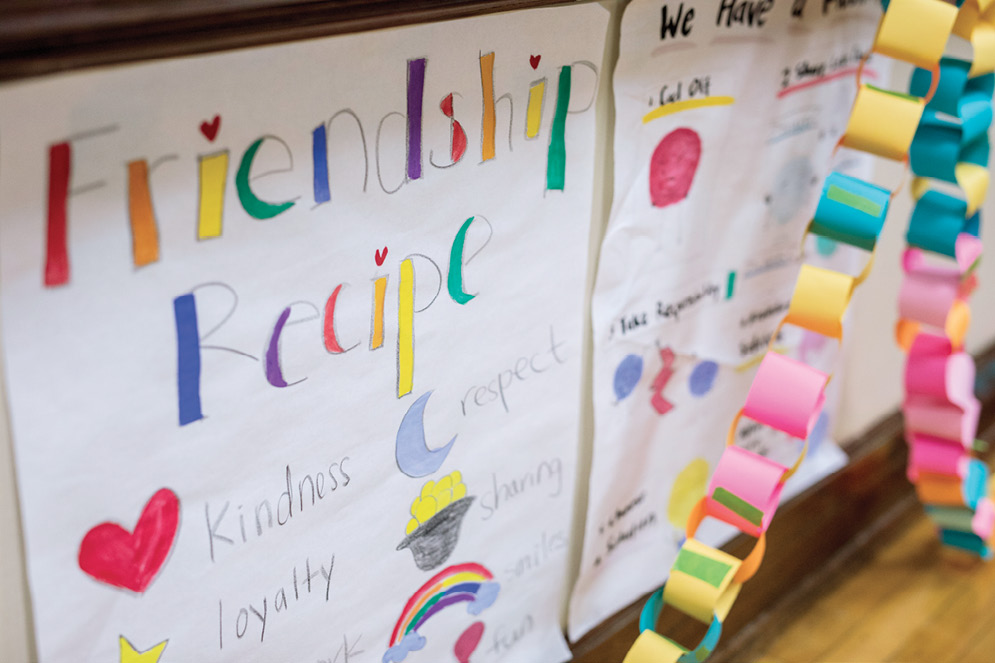 Suspension is one of the most common tools used by schools to handle behavior challenges. But research increasingly shows that when a student is suspended, they get behind on their schoolwork and emotionally disengage from their school community, increasing the likelihood that they won鈥檛 graduate from high school, and end up in trouble with the law. This has been called 鈥渟chool to prison pipeline.鈥�
In 2016鈥�17, 8,357 students were suspended out of school at least one day from Metro Nashville Public Schools鈥攁bout 8 percent of the district鈥檚 students. This collectively translates to 33,787 days of instruction lost.
In a recent analysis of suspension practices, Nation and his colleagues found that MNPS鈥檚 suspension guidelines were too vague. 鈥淭he largest number of suspensions were for a category called 鈥楥onduct Prejudicial to Good Order,鈥欌�� Nation says. 鈥淣ow, that鈥檚 no longer a suspendable offense. Schools must articulate which specific behaviors warrant a suspension, rather than turning to suspension as the first resort.鈥�
So far, limiting suspension to a set of explicit infractions has helped bring MNPS suspensions down. Last year, out-of-school suspensions went from 11,000 to 8,357 students. It鈥檚 a good start, says Sheila Jones Calloway, 菠萝视频 BA鈥�91, JD鈥�94, who has served as Metropolitan Nashville juvenile court judge since 2014.
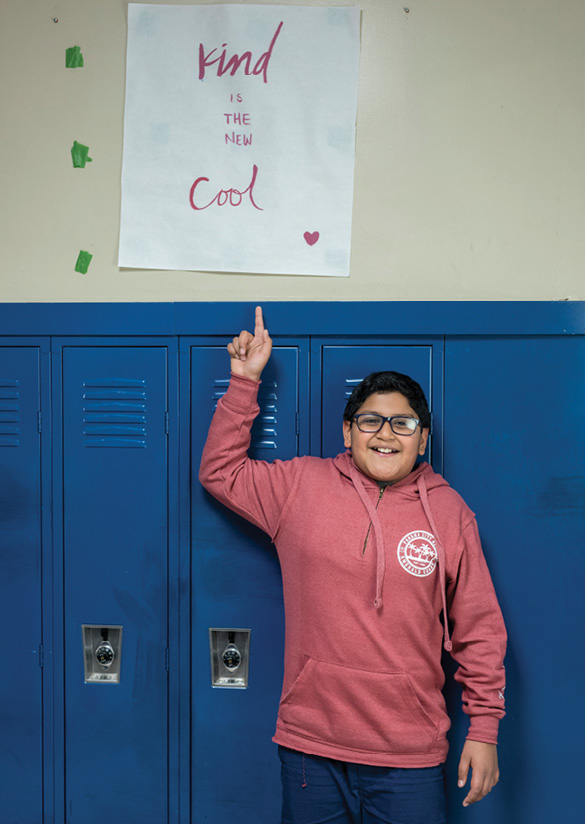 鈥淓very day children who are home on suspension disengage from school and end up in Juvenile Court,鈥� Calloway says. 鈥淲e don鈥檛 teach children how to resolve conflict, yet we want to punish them for not knowing how. Until we start to ask, 鈥榃hat has happened and how do we fix that harm?鈥� instead of 鈥榃ho did it and how can we punish them?鈥� we鈥檙e not going to make a difference.鈥�
MNPS school suspensions have long reflected disproportionate disciplinary practices. Overall in MNPS, 43 percent of students are black, 31 percent white, 21 percent Hispanic, and 4 percent Asian. During the 2016鈥�17 school year, African American students accounted for 63 percent of all discipline incidents, 70 percent of out-of-school suspensions, and 74 percent of all expulsions. Just as it is in schools nationwide, black students are three times as likely to be suspended as white students, and Latino students are twice as likely to be suspended as white students.
One of the ways MNPS is addressing these racial disparities is through a partnership with the Annenberg Institute for School Reform at Brown University鈥檚 four-city PASSAGE initiative (Positive and Safe Schools Advancing Greater Equity). Nation serves on the steering committee for this community-based collaboration designed to end discipline disparities that contribute to achievement gaps.
The three other school districts involved in PASSAGE are the nation鈥檚 largest鈥擭ew York, Los Angeles and Chicago. Although Nashville is the smallest city in the initiative, it is one of the country鈥檚 few urban schools systems still experiencing student enrollment growth.
Tom Ward, CEO of Nashville鈥檚 Oasis Center, is co-chair of Nashville PASSAGE.
鈥淥ne of the ways teachers treat students fairly is by having expectations and looking at a young person through a strength-based plan that tells them, 鈥業 don鈥檛 want to move you away from me鈥擨 want more time with you,鈥欌�� Ward says.
Last fall, PASSAGE Nashville was awarded a $250,000 grant to expand the use of restorative practices in MNPS.
鈥淚t鈥檚 going to take the whole community to address these issues,鈥� said Nashville Director of Schools Shawn Joseph as he addressed parents, community leaders, researchers, clergy and government officials, who have pledged to partner in the effort. 鈥淎merica has an equity problem and Nashville is a microcosm of the issue. I鈥檓 encouraged because we鈥檙e all here.鈥�
Restorative Justice
Through these research efforts and others over the past decade, Nation has diligently pursued the implementation of restorative justice practices in schools across Nashville.
Restorative practices emphasize peacemaking, open dialogue and conflict resolution. He estimates 15 to 20 percent of Nashville schools now use some form of restorative discipline, and that number continues to climb.
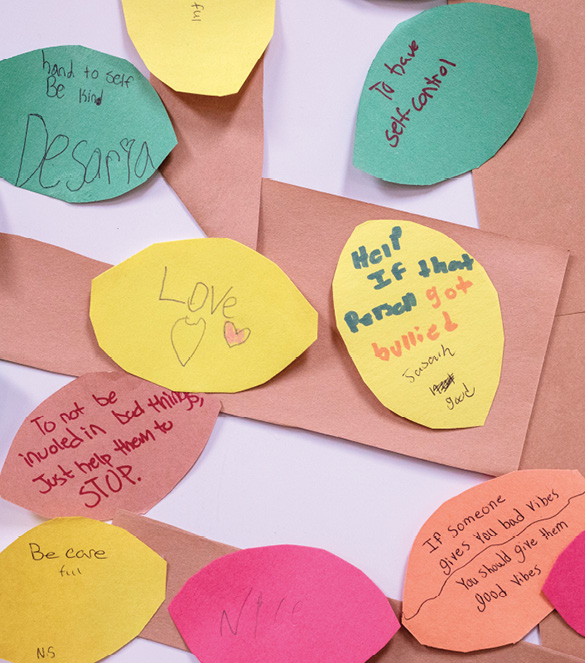 The intervention can take one of many forms. When an incident or altercation occurs, students gather in a setting that might be called a peacemaking circle or a kindness corner and talk鈥斺�渁bout what happened, what the injury was, who was injured, why it happened, and what needs to happen in order to make everyone whole again. That usually means offenders have to take some responsibility to make things right if they are to stay part of the community rather than being sent away,鈥� Nation says.
Not every offense can be addressed this way. And the idea is not to excuse what happened, but to allow offenders to be heard and negotiate with their teachers and peers as a way of staying engaged.
鈥淲e鈥檙e still early in the process,鈥� Nation says, 鈥淏ut schools who鈥檝e tried it have seen a difference. It taps into one of the school district鈥檚 big goals鈥攄eveloping social and emotional competency for dealing with problems.鈥�
To that end, Director of Schools Shawn Joseph recently reduced school counselors鈥� administrative duties so they can focus at least 80 percent of their time directly supporting students.
Conflict Resolution
One of the important lessons learned from research on conflict resolution in schools is that for it to be effective, it must be learned and internalized by adults as well by students, says David Diehl, who teaches Understanding Organizations, a Peabody course focused on theories of organizational functioning and organizational behavior.
鈥淭eachers, administrators and staff set the tone for how conflict is dealt with in schools,鈥� Diehl says. 鈥淣ot only do they need to learn conflict resolution skills in order to teach them to their students, they need to learn them in order to create a school climate that feels safe and supportive.鈥�
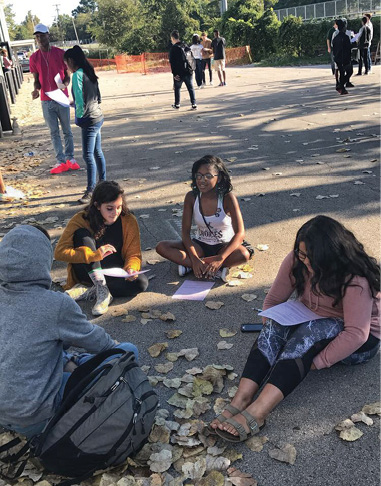 Paul Speer, chair of Peabody鈥檚 Department of Human and Organizational Development, says the multidisciplinary nature of HOD researchers is one of the great strengths of its work with Nashville schools.
鈥淎 large number of the issues challenging students are anchored in contexts outside the four walls of the classroom,鈥� Speer observes. 鈥淲hile schools are tasked with educating, their students are struggling with factors like huge shortages of affordable housing, serious constraints on access to healthy foods, neighborhoods with elevated crime rates, and communities experiencing economic disinvestment.
鈥淭hese burdens are not compensated for by better textbooks, incentives to teachers, or innovations in curricular design,鈥� he adds. 鈥淥ur work is to consider the impact of these community contexts on education.鈥�
As part of the PASSAGE initiative, Hillsboro High School in Nashville launched a student-led restorative practices leadership team called Hillsboro CORE (Culture of a Restorative Environment). Tenth grader Machi (Muh-KAI) Lockhart is one of the 35 students on the team who have been trained to implement interventions when a fellow student is struggling.
鈥淥ne time there was a student who was seen skipping a particular class and we were confused because his grades were typically good,鈥� Lockhart says. 鈥淪o three of us went to talk to him and asked what was going on. He told us, 鈥楾he teacher doesn鈥檛 understand me, we are not seeing eye to eye.鈥� We talked with him some more and then we talked with the teacher to see her side of the story. Then we got the student and teacher together and helped them work things out. After that they had a better understanding of each other.鈥�
Hillsboro鈥檚 Dean of Students Amy Cate, BS鈥�03 oversees the CORE team.
鈥淥ne of the themes I talk about with teachers and CORE is that we want school to be a place where kids feel affirmed,鈥� Cate said. 鈥淜ids need to feel that affirmation and they will seek it out. So whether it is in algebra or drama class or wherever they may be, they need to be affirmed at school, or they will go elsewhere to find that.鈥�
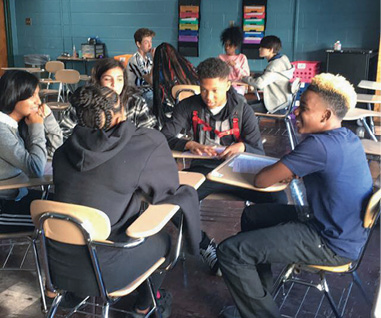 Lockhart says that being on CORE has been 鈥渆ye opening.鈥�
鈥淚鈥檓 an African American male, and so when I wake up, I think of myself first and my own problems,鈥� he says. 鈥淚 realized I wasn鈥檛 thinking about someone, like an LGBTQ person, and what they deal with each day, or what a woman goes through.
“After being on this leadership team, I began to see that a lot of people have problems that I have failed to recognize. I鈥檝e learned a lot that can be applied in many different ways in life.鈥�
Early Influences
As a child growing up near Atlanta, Georgia, Nation experienced social struggles at school, as many students do. 鈥淎t times I found myself on either side of the bullying experience,鈥� he says. 鈥淚n late elementary and early middle school I didn鈥檛 always have the skills to express my emotions, so I bullied people with whom I wanted to be friends.鈥�
In middle school and in high school, a new set of issues emerged.
鈥淭wo things changed: I gained weight, which made me more self-conscious,鈥� he says. 鈥淎nd I was coming to grips with my sexuality as a gay man, which resulted in isolation that made me an easy target for peers.鈥�
During graduate school at the University of South Carolina, one of Nation鈥檚 professors received an Office of Justice and Juvenile Delinquency grant to implement a bullying prevention program being used in Europe. Nation was tasked with helping adapt it for an American environment, then implementing and evaluating it.
鈥淲hen we met with parents and students at the school, I was shocked at how many showed up ready to talk,鈥� he remembers. 鈥淭here was lots of anguish. These parents had tried lots of different things, and often school administration was clueless or ineffective. We started focusing on school bullying.鈥�
The program he worked on is still one of the most widely implemented for bullying prevention. In 2010, the U.S. Department of Education awarded him a $600,000 grant to fund the Tennessee Center for Safe and Supportive Schools at 菠萝视频. He and other Peabody faculty and students have worked with more than 100 high schools to identify and implement best practices for reducing bullying and promoting a positive school climate.
It all starts, Nation says, with getting people in the same room. 鈥淥ur partners recognize that their jobs are easier when we are all sharing information. This is about something far greater than publishing research papers.鈥�
More about the Nashville Longitudinal Study of Youth Safety and Wellbeing
Co-investigators on the Nashville Longitudinal Study of Youth Safety and Wellbeing are Paul W. Speer, professor and chair of Human and Organizational Development; David Diehl, assistant professor of HOD; Emily Tanner-Smith, a former Peabody associate research professor now at the University of Oregon; Benjamin Fisher, assistant professor of criminal justice at the University of Louisville; and Adam Voight, director of the Center for Urban Education at Cleveland State University.
By GayNelle Doll